In this article
Puckering is not one problem. It is the visible result of too much tension somewhere in the fabric–thread–hoop system. Before you unpick the whole project, isolate which of those three is pulling the surface out of shape.
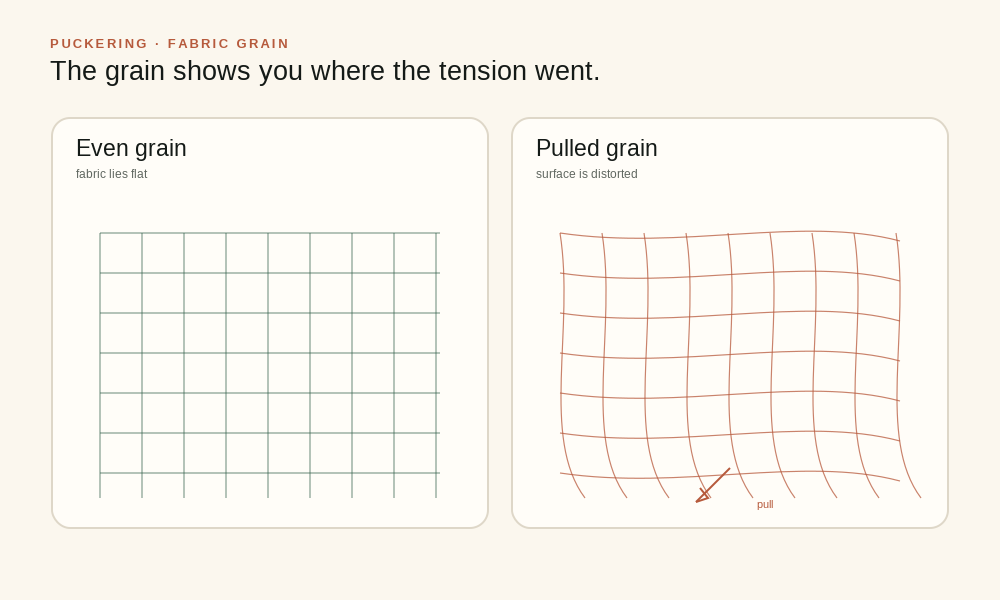
Check the fabric first
A lightweight fabric can pucker under stitching that would sit flat on canvas. Test a remnant with the same thread, needle and stitch density before working the final piece. The stabilizer guide explains how much support different fabrics need.
Check the hoop tension
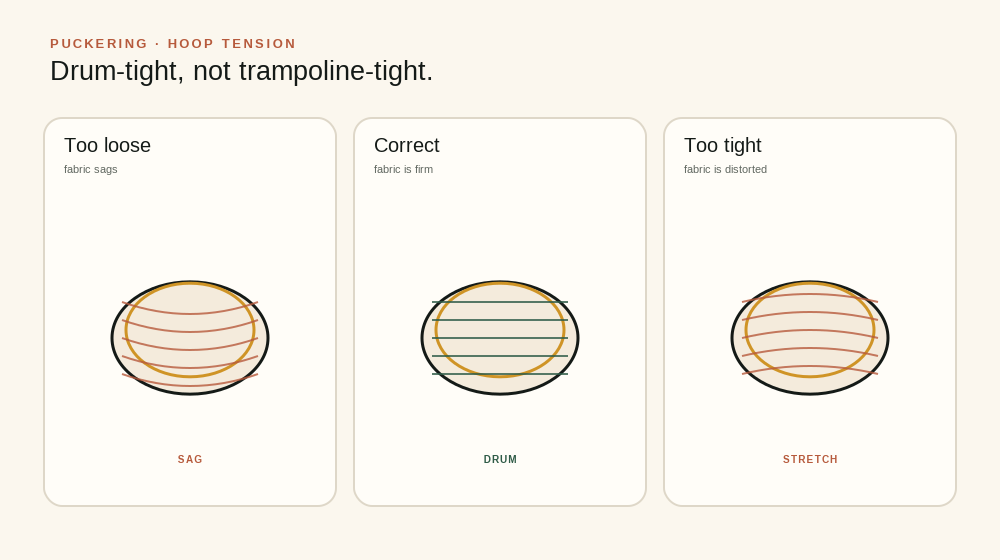
The fabric should be drum-tight without being stretched permanently. If the hoop leaves a hard crease, it is too tight. If the fabric sags when you press it, it is too loose.
Check the stitch
Long, tight stitches pull more than short, relaxed ones. Satin stitch and dense fills are especially prone to distortion. Use a stabilizer appropriate to the fabric and keep the stitches consistent rather than tightening individual stitches to hide gaps.
Neutral troubleshooting sample
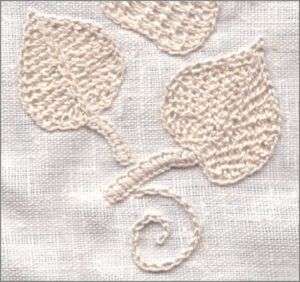
A neutral set for test samples and stitch-outs.
Check the thread
Too many strands in a fine fabric creates bulk. Too few strands can make you pull harder to cover the line. Match the thread weight and strand count to the fabric, not just to the colour; the thread weight guide explains the trade-offs.
A quick diagnostic order
- Test the same stitch on a fabric remnant.
- Re-hoop so the fabric is firm but not distorted.
- Shorten the stitch and loosen the tension slightly.
- Add or change the stabilizer only after the first three checks.
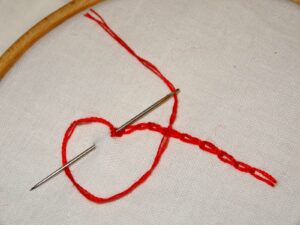
Related reading: improve your line work with the stem stitch tutorial, compare fabric support in the stabilizer guide, and browse the DMC colour library or thread conversion finder while testing alternatives.
Frequently asked questions
Does every fabric need a stabilizer? No — but lightweight, stretchy and loosely woven fabrics usually benefit from one. Can I fix puckering without unpicking? Sometimes, but dense areas often need to be reworked; test on a sample first. Why does my hoop leave a crease? The hoop is likely too tight, or the fabric was left under tension for too long.

Founder of Plan & Make. Writes about embroidery production, patches and digitizing. Every guide is reviewed against real production constraints.
About Plan & Make →PUT IT INTO PRACTICE
Turn your artwork into a sew-ready file.
Upload a clean logo, check the front preview and download DST, PES, JEF, EXP, VP3 or XXX.
Open StitchForge →